Body shame and why it matters: Dosha, and the embrace of self vs trying to be "other".
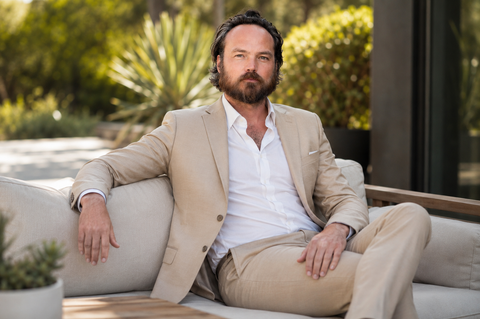

Ayurveda:
In Ayurveda we know that being in balance with your true nature is much more important than jumping on some ideal body type as a fantasy. We all have genetic predispositions, but our bodies are meant to find their own way and balance point within that framework of birth and death and life. By embracing yourself instead of trying to change yourself, you actually do more — you do less — and heal a lot of the wounds we carry as a nation and as individuals. Shame, guilt, and the worry that we are not enough are powerful demons, hunting us down to keep us angry, sad, and jealous. Instagram? Yes — we lust after others and yet we are ourselves. How do we fix this? Let's find out together.
Body shame
Body shame is inherently the worst evil in medicine. We have people not wanting to be in their bodies, and they jump out of healthy habits to look one way or another for others. In the end this just makes them sad, alone, and angry that they can't be "exactly" as they feel they should be. But what if the game were instead to be something closer to who they really are, versus some fictional nature they don't actually possess internally as a genetic narrative?
I think it was easier when you had small villages of people who looked relatively similar. The traits in families and tribal lines kept people within a mean attractiveness score relative to each other, and the individualities jumped out naturally in this small pool of possible partners, lovers, and child-bearing partners. This genetic pool was small and easy to compare oneself to, without having to look like some completely other race or body structure from halfway across the globe. Norwegians informing Mexicans on how a woman should look makes little sense to anyone really looking at it objectively, but modern media pushes the tall, skinny, white female — huge butt, wide boobs, luscious lips, and eyes out the wazoo — on everyone. Even if you're genetically nothing like this, the messaging is: "you should be."
So that's the problem
Well, if you grow up in this and don't get any healthy sculpting of what being a woman really is or should be from your family, then you're set against, like, a billion other online hotties that might make you feel insecure, hate yourself, and crave another level of being that's unrealistic for you. Or maybe you're the hottie, and then you're constantly put on a pedestal and compared to, and men and women want you because they want to be you, versus really wanting to know you or crave your individual self beyond the looks. In either case it's a trap of the mind to think that we all should just be carbon copies of each other and that's that. Well, no — genetics say otherwise: diversity is king in the animal world, and we are animals at that. So let's act like them: be yourself and be your body type, versus just being one of the people trying to look like the rest. Set your own mold and be happier and healthier, for sure.
The look
Tall, blonde, and fake AF: in my opinion this is lame compared to a real woman or man that actually just looks like themselves, and healthy. I travel, and I see real people all the time that are 10/10 just because they are in their bodies and real. The other day, on a plane to Monaco, I saw this European woman, probably 5'5", and she was alone, boarding the plane, and she had the most perfect body — but it wasn't the Western one. It was small hips, perfect lips, tits that just sat there, maybe a B cup, no bra, and just perky. She was maybe 32 and just held herself like, "I'm perfect as I am, and I know what I want." That was sexy. She was genetically and authentically herself — no makeup or fillers, just sexy jeans and carrying them well. She stared at me like, "I want you," but I was traveling, about to leave, so it went nowhere. Maybe I should have grabbed her number — but you know what, the main lesson was this: sex is sex and bodies are bodies. If you carry it well, people notice. And being yourself is the best dress you can put on.
Eastern medicine
So you also have a dosha and gunas — twenty types of genetic analysis by the 5,000-year-old system of Ayurveda. This means you have some combo of the 3 and the 20 that makes the look and vibe and presence of your genes show up. This is not science in the modern way, but an older way to understand type and genetics and epigenetics and how they all play together. But the math is simple in Ayurveda:
The closer you are to your birth type, the more you are in balance with this fundamental genetic self — the better.
There is no perfect dosha or perfect constitution; there is just the one you have and how you work with it. If you are heavy and bold, then be that. If you are small and delicate, then use it to your advantage; don't run from your genetic self into something else. In fact, in Ayurveda, when we see this split between genetic self and current self, we get worried. If someone who is actually Pitta-Kapha — heavy and fiery in nature — starves themselves and takes Ozempic and is now 50 lbs lighter and has digestion issues, we worry. They may look "better" to themselves, but in reality their nature is overwhelmed by trying to be this limited version of their larger, more fiery original self. Here is the probable truth of it:
You get lost in trying and forget that the body wants harmony, not perfection. It wants to be whole, not broken into parts and taken apart and put back together. We fast to heal — but when we starve to look "good," is that the answer? No — that's just starving for vanity versus health. So many things can be done, and when they're done for the wrong reason, that's when the disharmony begins: in the mind, then in the actions, then in the body. It goes like that.
So how do we fix this?
Embrace yourself, your genetics, your own version of beauty — and start there. How do I actually feel best in my body?That's the right question, versus "how do I look best" as the baseline. Real health is you becoming yourself more and more each day, and letting go of all the falsehoods and traumas and power dynamics you play with yourself about mind and self and worry.
Get over it, and meditate on this: you are beautiful as you are.
The story
The story we tell ourselves is that we are not enough. But we are. We are divine manifestations of the One; the wholeness comes from the expressions of beauty in all these different ways, through each other, and despite our differences we have more in common genetically than apart. In fact, only about 1% of our genetics goes into the way people look, according to modern science. You have more genetic connection to a banana than you maybe want to realize. But in reality we are one with everything, so that is what should matter when we look at looks — they are ephemeral and yet telling, a story of how we lived, how our ancestors met, and where and what they did.
Epigenetics are passed down, and we now know that people actually change a lot generation to generation, just because of stress and mother's milk and environment and temperament and culture. We can modify our blood and phenotypes a lot to adapt to the places we live and go, and we pass all this down. Like a mother who lives in Spain and passes the ability to digest cheese and wine more easily to her daughter, or who goes to the cold north and increases her hemoglobin and heat/cold tolerance for the next generation to survive in harsher climates. It's all passed down — knowledge from one generation to the next. We see the same with trauma, and this is why it's so important to nip it in the bud and kill it before it passes down in our families. It ends with you — or so they say. Let's make that so, and heal what we can today, together.
The next steps
Step 1: Make things better in your life by just being happy with who you are. Embrace that and cherish it as a gift every day.
Step 2: Eat what eats you. Get stoked on food again and enjoy it.
Step 3: Diet like an ecosystem, and eat locally and with awareness of how that impacts you and the body and the spirit and the place you live, in good and bad ways. Find the balance here, and don't be too hard on yourself — still enjoy it and have fun with it all. Blaming yourself for not being good enough doesn't help, but trying harder does.
Step 4: Link up with others who see you and love you as you are. Choose friends and lovers and people who really see YOU and want you to be who you are, versus some other version of something else. That's key — relationships that heal these wounds of self/other matter so much, and we need them to be in balance relationally. Be seen, and start to heal.
Step 5: Give up trying to be someone else, and just say fuck it and be yourself — every day, every way. Tits out, balls swinging, just have fun in your own way, no matter what you look like or how you are in the world. Be that, authentically. That's love of self right there.
Step 6: Share the wealth: help others find happiness and be happy about themselves. This grows the web and heals the wounds we make relationally, together. Make this your purpose — helping others be themselves, for real. See how much power that has, and what bonds form around it.
The end
In the end, does it even matter? Maybe. But I think trying helps. I hope you enjoyed this dive into self-worth and dosha and medicine. Until next time…
—Jonathan