Ozempic: what is it actually doing
The Weight loss super pill?
People are fixed on being skinny. But is this just another fad that doesn't end well? Seems so. Let's look at the biggest trend in body sculpting going right now — a shot you basically shit yourself for, and somehow everyone wants in.
The shot
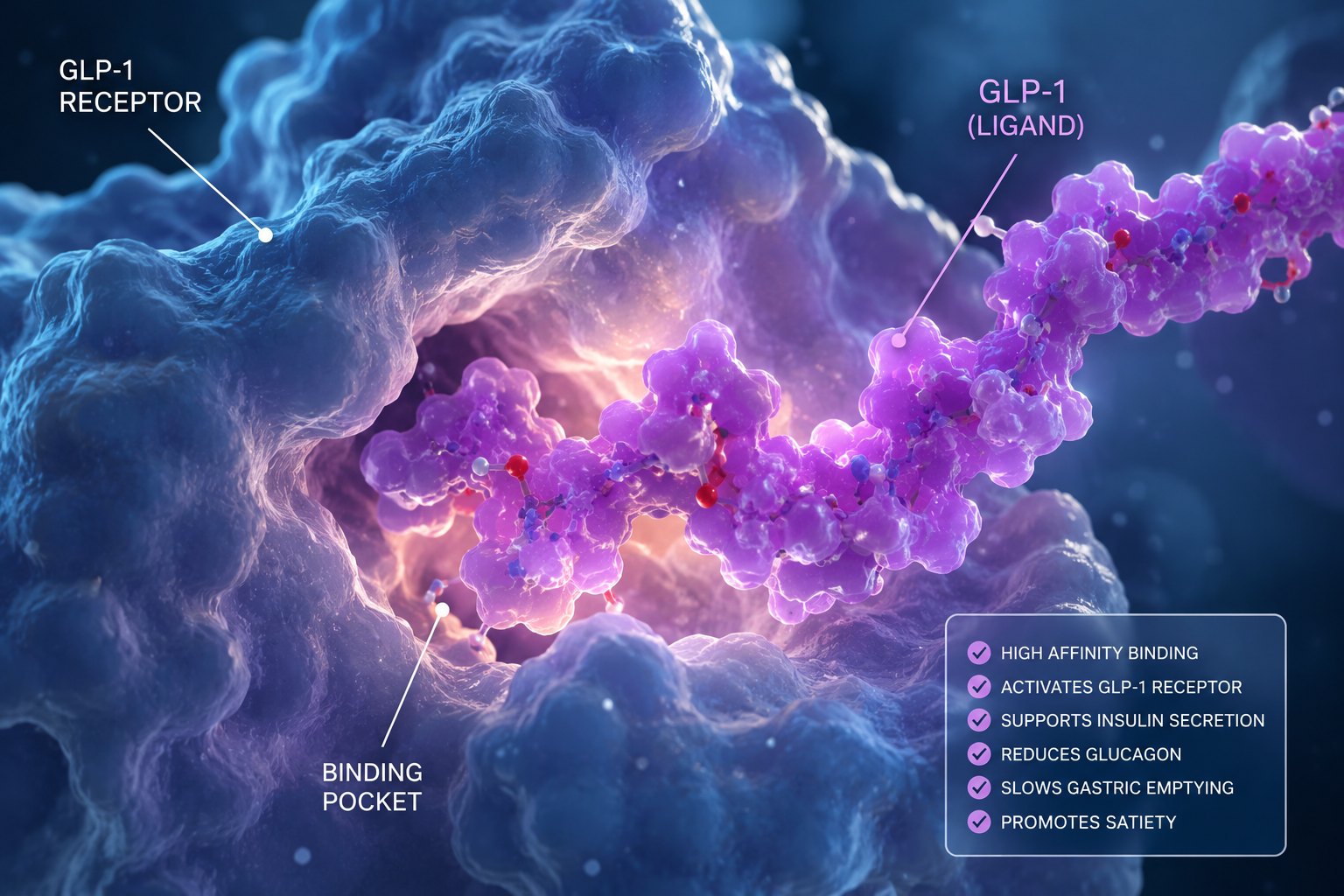
So what is it, actually? Ozempic is semaglutide, a drug built for type 2 diabetes that turned into the world's favorite weight-loss hack. It mimics a gut hormone called GLP-1 — the one that tells your brain "I'm full" and slows down how fast your stomach empties. So you walk around not hungry, food just sits in you longer, and you eat way less without trying. That's the whole trick. It doesn't burn fat or rev your metabolism. It quietly hijacks your appetite and turns the volume down.
The problem
Here's the thing, and I'll say it the way a naturopath would: appetite was never the disease — the food is. Americans aren't heavy because they're greedy or weak or genetically doomed. They're heavy because the food itself is broken. Walk through a typical US grocery store and most of what's on the shelf isn't really food — it's ultra-processed product, engineered in a lab to be hyper-palatable, to slip right past your fullness signals and keep you reaching for more. You literally can't get full on the stuff, because it was built not to let you.
Then look at what it's all cooked in. We've drowned the entire food supply in industrial seed oils — soybean, canola, corn — extracted with heat and solvents, oxidized and inflammatory, and jammed into nearly every packaged thing and every restaurant fryer in the country. Our great-grandparents cooked in butter, tallow, and olive oil and stayed lean. We swapped real fats for cheap factory oils and then act shocked that a whole nation is inflamed and tired and heavy.
And it goes deeper still — down into the soil. Industrial, non-organic agriculture means crops sprayed with pesticides, grown in depleted dirt, then dyed and preserved with a list of additives that much of Europe restricts or bans outright. We're eating food that's been stripped of its nutrients and dosed with chemicals, and then we wonder why our bodies are in open rebellion.
Now here's the tell that blows up the whole "it's just genetics" excuse: look at Europe. Same genetic stock as half of America — Italians, Spaniards, French, Irish — and they're walking around lean and glowing, eating bread and cheese and pasta, drinking wine at three-hour lunches, having an absolute ball. They eat with pleasure, not guilt, and they're healthier for it. Same genes, completely different bodies. The only things that changed are the quality of the food and the pace of the life. So no — it's not your DNA, and it's not even really your willpower. It's the broken food system you were born into. And Ozempic doesn't fix one inch of that. It just numbs you to it while the real problem rolls on.
The uptake
In about five years, this went from a niche diabetes drug to something one in eight Americans has injected. By late 2025, around 12% of US adults said they were currently taking a GLP-1 like Ozempic or Wegovy, and nearly one in five had taken one at some point. Prescriptions have more than tripled since 2020. That's not a trend. That's a stampede.
Now look at who, because the demographics are the alarming part. Women use these drugs at notably higher rates than men — roughly 15% of women versus 9% of men currently — and use peaks among adults 50 to 64, where about 22% are on them. But it's spreading down the age ladder fast: among adults 30 to 49, women are more than twice as likely as men to have used one. So the core market is women, increasingly younger women, reaching for a powerful metabolic drug largely to be smaller — and another 14% say they're interested in starting.
Sit with that. A drug engineered for a serious disease became a lifestyle default for healthy women faster than almost any medication in modern memory, while the market behind it rockets toward an estimated $150-plus billion a year by 2030. When a medicine spreads through a population that fast, for cosmetic reasons, in people who were never sick — that's not a medical breakthrough. That's a cultural symptom with a needle attached.
The challenge
The body fights back, though, and not always quietly. The common stuff is bad enough — nausea, vomiting, diarrhea, constipation, the gut chaos that keeps you near a bathroom. But it goes deeper than the brochure admits. Research has linked these drugs to gastroparesis — "stomach paralysis," where the stomach basically stops emptying — at a rate one analysis put at more than three times higher than other weight-loss meds. The FDA has quietly kept stacking warnings onto the label: intestinal blockage, then aspiration risk under anesthesia, then severe gastrointestinal reactions, kidney injury, and pancreatitis.
And these aren't just statistics. One widely reported case, a 38-year-old teacher named Emily Wright, lost around 80 pounds on the drug — then began vomiting so often she had to take leave from her job, and was diagnosed with severe gastroparesis her doctors tied to the medication. A 2025 Nature Medicine study following more than two million patients found the drugs lowered the risk of dozens of conditions, but raised the risk of nineteen others, including pancreatitis, kidney stones, reflux, and gastroparesis. There's now active litigation against the maker alleging it failed to properly warn people about the severe gut risks.
The deeper challenge, though, is still the quiet one: even when it "works," you don't learn a thing. No new habits, no new relationship with food, no understanding of your own body. You handed the whole job to a needle — and sometimes the needle hands you a new disease back.

The look
Then there's the look. Ever heard of "Ozempic face"? When you drop weight that fast, your face deflates — gaunt, hollow, aged. And it's not just fat you're losing. You lose muscle right along with it, because rapid weight loss doesn't politely take only the parts you wanted gone. So a lot of people end up thinner but somehow looking less healthy. Skinny and depleted is not the same as strong and alive.
The long game
Now here's the kicker nobody puts on the billboard: when you stop, most of it comes back. The studies are pretty clear that people regain a big chunk of the weight once they quit the shot, because nothing underneath ever changed. So your two real options are a lifelong subscription — forever, with the bill and the side effects — or a yo-yo, up and down, losing muscle each cycle. That's not a fix. That's a treadmill with a monthly fee.
And here's what really gets glossed over: we have no idea what this does to a person fifty years down the road. Remember what this was built for — diabetics. People with a serious disease, where the trade-off makes real sense. But when you hand that same powerful drug to a healthy 22-year-old woman who just wants to drop a dress size, you may be setting her body up for problems we won't be able to name for decades. There is no long-term safety data for healthy young people, because there hasn't been time to collect any. We're running the experiment live, on a whole generation, and calling it a wellness trend.
The numbing
But here's the part that should really stop you. This was never just a gut drug. Those same hunger signals it hijacks? They run straight through your brain's reward system — the exact wiring that lights up for a good meal also lights up for sex, for music, for laughing with friends, for falling in love. It's all one circuit. So when you turn the dial down on "I want that donut," you may be turning down the same dial that says "I want you," "I want to dance," "I want to be here."
And people are noticing. There's a nickname going around now — "Ozempic personality" — for folks who say the food noise went quiet, sure, but so did everything else. The spark. The libido. The pull toward other people. Some describe straight-up falling out of love. Reduced cravings for booze and shopping too, which sounds great until you realize the thing dimming your worst appetites might be dimming your best ones in the same breath.
Now, I'll be straight with you: this isn't nailed-down science yet. It's a flood of reports and a mechanism that makes those reports very plausible, but no one has fully proven it, it doesn't hit everyone, and the long-term picture is a total blank — these drugs simply haven't been in millions of bodies long enough to know. But that's exactly the gamble, isn't it? We're tuning the deepest reward circuits in the human brain, at scale, in healthy people, to lose a few pounds — and we're going to find out the long-term cost in real time, on ourselves. To me, the possibility that the price of thin is numb — numb to food, to touch, to wanting, to each other — is the scariest line in this whole story. What good is the body you wanted if you can't feel anything in it?
Why it matters
This matters because we're taking a cultural and spiritual problem — disconnection from our food, our bodies, ourselves — and medicating around it, then calling that "health." Worse, it doubles down on the lie that thin equals worthy. We're not getting healthier as a people. We're just getting a more expensive way to chase the same broken ideal.
What you can do instead
So what's the move? Go after the root, not the symptom. The beautiful part is that almost everything the shot fakes, your body will do for free if you give it the right inputs. Here's where I'd start:
Fasting. This is the big one, and it's the closest honest cousin to what the drug imitates. Give your gut real rest — a daily eating window, the odd longer fast, eating with the seasons instead of grazing 24/7. Done right, fasting resets hunger signals, calms the "food noise," and teaches you that hunger is a wave that passes, not an emergency. Your body already knows how to do this. We just forgot.
Change the lifestyle, not just the plate. Most overeating isn't hunger — it's stress, boredom, loneliness, exhaustion, and a phone that never stops pinging. Fix the life around the food: slower mornings, less screen, more sun, real rest. The appetite usually follows the life.
Eat real food. Whole, local, seasonal stuff your great-grandmother would recognize. Real food fills you up and shuts hunger off on its own, because it actually has the fiber, fat, and nutrients your body is asking for. Processed food is engineered to never satisfy you — that's the point of it. Stop eating the stuff designed to keep you hungry.
Move, and build strength. You don't need to live in a gym. Walk daily, lift something heavy a couple times a week, use your body the way it was built to be used. Muscle is the engine that burns through the day — the exact thing the shot quietly costs you. Build it instead of losing it.
Meditate. This sounds soft until you understand the mechanism: cravings are reward-circuit static, and meditation is how you learn to watch a craving rise and fall without obeying it. It's the natural, free version of "quieting the food noise" — except you keep your spark instead of dimming it.
Therapy. Here's the one most people skip. If you eat from a wound — shame, trauma, never feeling enough — no diet on earth fixes that, and a drug just numbs over it. Therapy actually heals the thing underneath. The drug makes you feel less; good therapy helps you feel and finish it. Opposite directions entirely.
Herbs that help (gently)
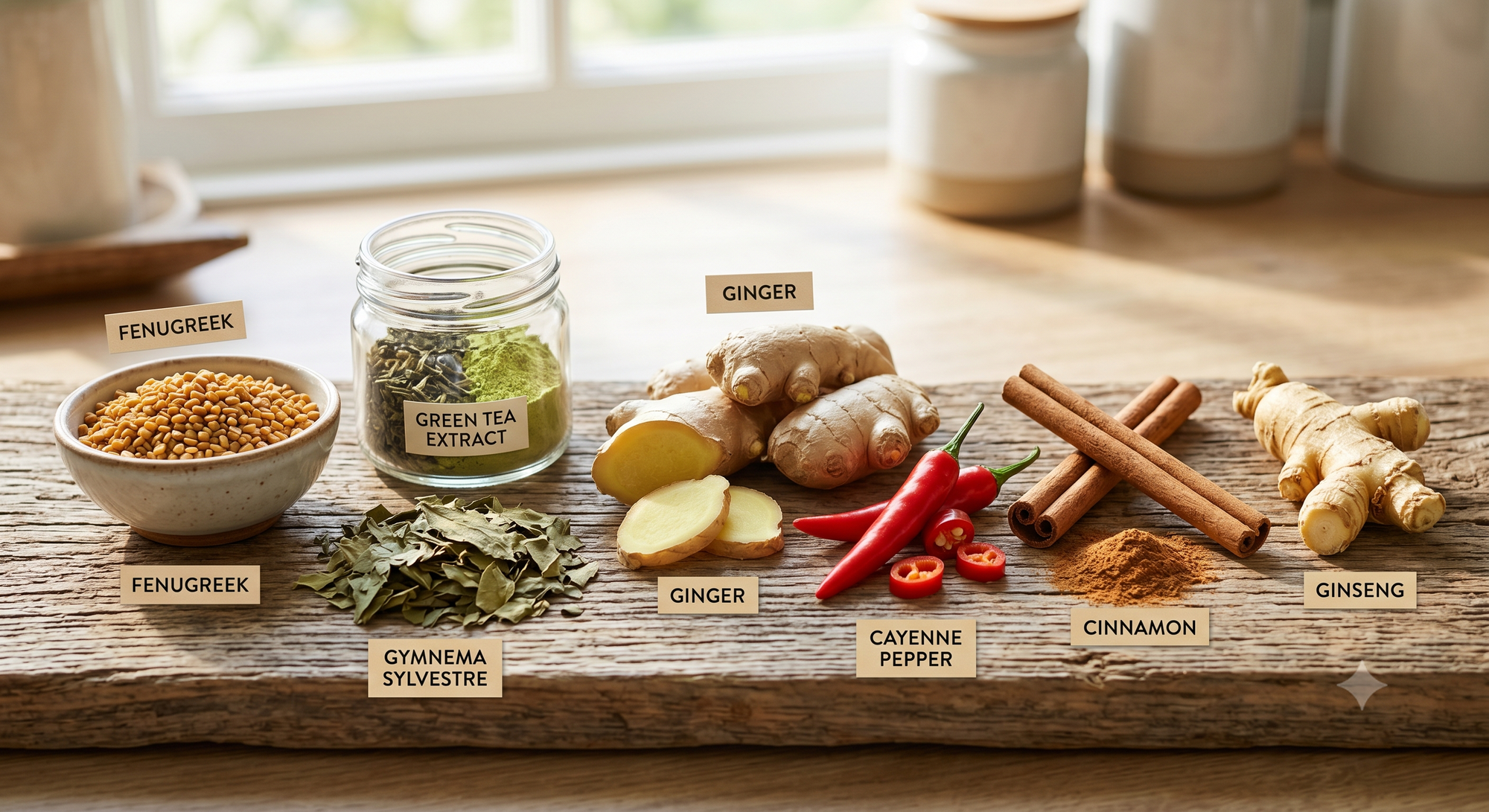
A quick, honest word first: none of these are magic, and that's the point. They're gentle, food-level helpers that nudge your body in the right direction while you do the real work above — not a natural way to starve yourself skinny. Skip the aggressive stimulant "fat burners" (anything with ephedra or high-dose bitter orange — they can hammer your heart), and check with a doctor if you're pregnant, nursing, or on medication.
For calming appetite and feeling full:
- Soluble fiber — psyllium husk or glucomannan (konjac root) in water before a meal swells in your stomach and genuinely takes the edge off hunger. Probably the most reliable one here.
- Chia and flax — same idea, food version: they gel up and keep you full for hours.
- Fenugreek — a soluble-fiber seed that helps blunt appetite and steady blood sugar.
- Ginger — warm ginger tea curbs the urge to graze and settles digestion.
- Gymnema — known in Ayurveda as the "sugar destroyer"; it dulls the taste of sweetness and quiets sugar cravings.
- Green tea or yerba mate — a little caffeine naturally takes hunger down a notch.
- Apple cider vinegar — a splash in water before meals can soften the blood-sugar spike and the appetite that rides it.
For supporting metabolism and fat-burning naturally:
- Green tea / matcha — the catechin-plus-caffeine combo gives a mild, real bump in fat-burning. The most studied of the bunch.
- Coffee — plain caffeine modestly lifts your metabolic rate and fat oxidation. Just don't drown it in sugar.
- Cayenne and chili — capsaicin gives a small thermogenic kick and can take the edge off appetite too.
- Cinnamon — helps with blood-sugar balance, which steadies energy and cravings.
- Ginger and turmeric — gentle metabolic and anti-inflammatory support, and they make real food taste good enough that you don't miss the junk.
Keep your expectations honest: these are single-digit-percent helpers, not the engine. The engine is the fasting, the food, the movement, the sleep. The herbs just grease the wheels.
Getting fit the real way
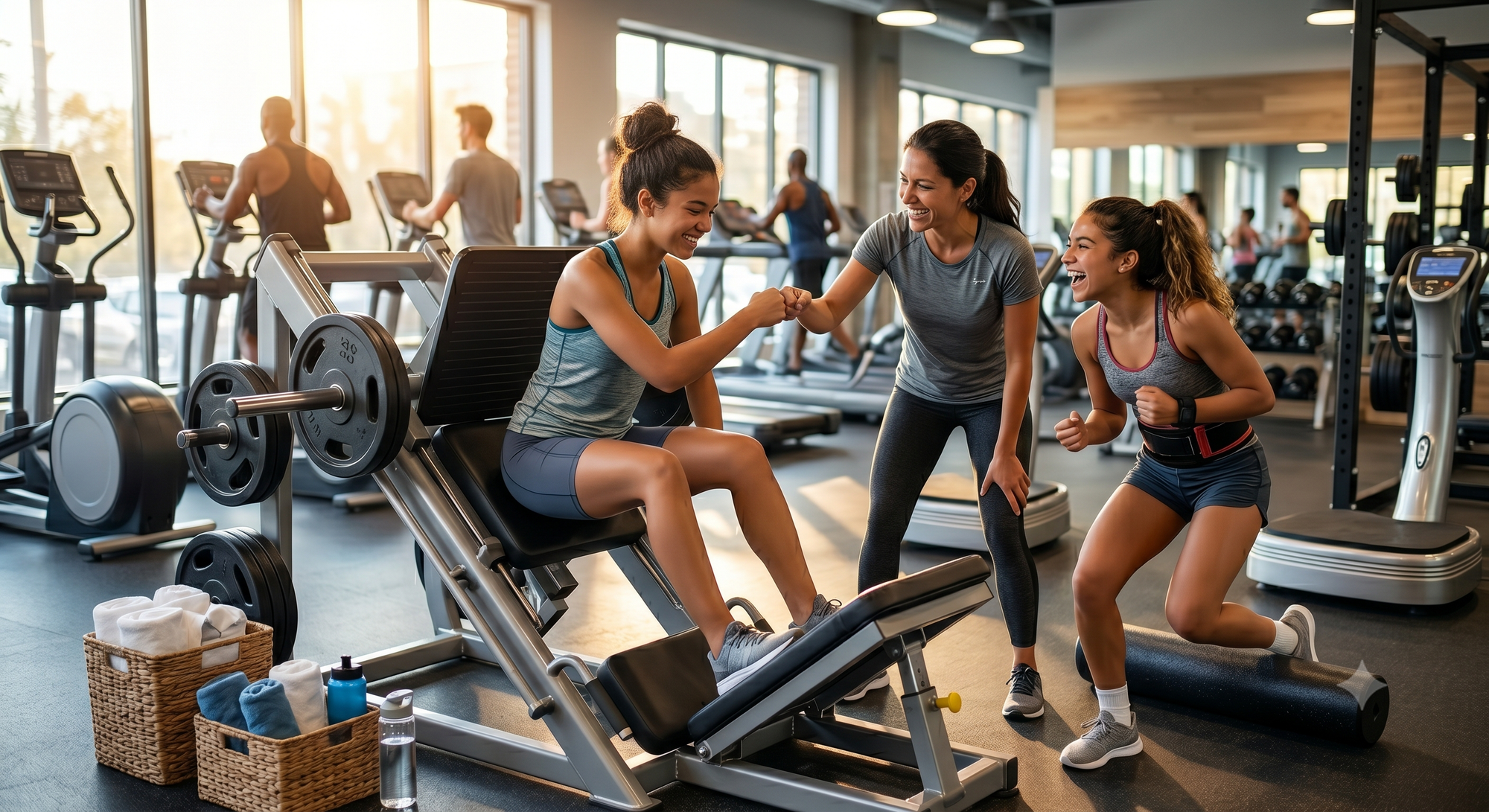
Okay, enough doom — let's talk about the fun part, because getting fit the real way is honestly one of the great joys of being alive in a body, and it's a whole world a needle will never hand you. Gym culture, for one: the regulars who slowly become your people, the nod across the squat rack, the quiet pride of watching yourself get genuinely strong. Run clubs that are really just friendships with cardio attached. Pickup games, hikes that dead-end at a swimming hole, surf sessions, sweaty dance floors, a long walk with someone you love where the best conversation of the month just falls out of you.
And here's the magic the drug can't fake: when you actually move, you get the chemistry for free — and it's the good stuff. Endorphins, dopamine, that warm rag-doll glow afterward, the deep clean sleep that follows, the appetite that finally makes sense because you earned it. Real movement feeds your brain and body in a way that lights you UP instead of dimming you down. Ozempic quiets the reward system; a hard run floods it. One leaves you flat; the other leaves you high on your own life. So sweat with people, chase something, play — your body was built for exactly this, and it pays you back in the precise currency the shot quietly drains.
Truths
Let's tell the truth about what this actually is: a powerful medicine for sick people, being mass-consumed by healthy ones. And if that sounds familiar, it should — it's one of the oldest stories in Western medicine. We did it with amphetamines, handed out as "mother's little helper" diet pills for decades. We did it with fen-phen, the blockbuster '90s weight-loss combo that got yanked after it started wrecking people's heart valves. We did it, catastrophically, with OxyContin — sold as safe and necessary, and the spark of an opioid epidemic that's killed hundreds of thousands. The pattern never changes: take something built for genuine illness, market it to everyone, downplay the risks, count the money, clean up the wreckage later.
That's the real disease here, and it isn't in your gut — it's in the system. Corporate Western medicine makes its money on management, not cure; on the lifelong customer, not the healthy person who walks away and never comes back. Wellness isn't the product. You, staying a paying patient, are the product. Ozempic is just the slickest version of that model we've ever built.
So how do we actually change it? Not by shaming individuals — by changing the rules. Stop letting pharma advertise prescription drugs straight to your TV (the US is one of only two countries on earth that even allows it). Fix the food policy and subsidies that make the poison cheap and the drug the "cure." Fund prevention like we fund prescriptions. Demand long-term safety data before we hand powerful drugs to healthy young people, not after. And culturally — stop treating thinness as a moral achievement and start treating real health and self-acceptance as the goal. That's a political and social shift, and it's ours to make if we want it.
A future to look forward to — or not
So let's be clear about the trade you're actually making. The pitch is all upside and all now: drop the weight, look good, feel confident, today. But flip the card over. You may be mortgaging your long-term health and even your genetic future — your hormones, your fertility, your muscle, your spark — for a fast cosmetic win, on a drug whose long-term effects in healthy people are completely untested. Nobody can tell you what thirty or fifty years of this does to a body, because nobody has been on it that long. We're all in the trial. We just didn't read the fine print.
That's the part that should stop you cold. Quick gains that might quietly wreck you medically down the line isn't a future — it's a gamble with your own biology as the chips, and the house always knows more than you do. The real future worth wanting is the one nobody can sell you in a syringe: built slow, paid for in habits, and yours to keep. That one compounds in your favor instead of against it.

Are women even HOT anymore?
Here's the punchline that should make every woman on this drug furious: the ultra-thin ideal you're chasing isn't even what men actually want. It's a fiction the industry sells. When researchers measure it, women consistently and dramatically overestimate how thin men prefer them. In a British Journal of Psychology study, women overestimated the thinness men want in a partner while men overestimated the muscularity women want — both sexes chasing a standard the other isn't even asking for. In another, women guessed men preferred a body noticeably thinner than the one men actually rated most attractive, and the gap was statistically huge.
It even holds with fashion models. When both sexes rated thin fashion models, women rated them closer to "too thin," while men found them less ideal than women assumed — women had badly overestimated how attractive men find the ultra-thin look. Translation: the skinny ideal isn't male desire, it's a marketing standard — and women are starving and injecting themselves toward a target men didn't set and largely don't even prefer.
So who is this actually for? Not men. Not health. It's for the algorithm, the industry, and the comparison trap. The hottest person in the room was never the smallest — it's the one fully at home in her own body, with that smell and touch and energy no shot can manufacture. We've got a whole generation chasing a number the people they're trying to attract aren't even looking at.
Body image
Underneath all of it is the same old wound: we don't think we're enough. And here's what should make you angry — that wound didn't just happen. It was manufactured, and sold, on purpose, for a hundred years.
Go back to the 1920s. An ad man named Edward Bernays — Freud's nephew, the father of modern PR — was hired to get women smoking, and he did it by branding cigarettes as "torches of freedom," a symbol of liberation you could light on the street. Then the tobacco companies went further with campaigns like "Reach for a Lucky instead of a sweet" — literally selling cigarettes to women as a way to stay thin. Light up, skip dessert, stay skinny, be free. They hooked an entire generation by wrapping an addictive product in a body ideal and a promise. Sound familiar?
That playbook never died, it just changed costumes. Diet pills, fen-phen, the grapefruit diet, cabbage soup, low-fat everything, detox teas, waist trainers — wave after wave, each one selling the same four things: sexy, perfect, effortless, now. And each one leaving people a little more broken and a little more convinced the problem was them.
Now it's on steroids. Instagram, filters, FaceTune, and AI-generated "people" have built a beauty standard that is literally not human — faces and bodies that don't exist, that even the women posting them don't actually have. Girls are growing up measuring themselves against images that no diet, no surgery, and no shot could ever match, because the images aren't real. They're chasing a body that cannot be had, fed to them by an algorithm that profits off the insecurity it creates. Ozempic is just the newest torch of freedom. Same trick, sharper needle.
Society
So follow the money, because society built this casino. Here's a number that should stop you cold: in late 2025, on the back of these GLP-1 drugs, Eli Lilly became the first drugmaker in human history worth a TRILLION dollars — the first healthcare company ever to crack a club that was otherwise basically just Apple, Nvidia, Amazon, and Microsoft. A trillion dollars. Built on a shot that turns down your appetite. (Quick note so we're precise: Ozempic itself is Novo Nordisk's — Lilly's version is Mounjaro and Zepbound — but it's all the same gold rush, and these drugs are now literally the best-selling medicine on planet Earth.)
And how do you mint a trillion dollars off a medicine? With the most elegant trap ever designed: you stop taking it, the weight comes back, so you take it... forever. That's not a cure. That's a subscription to your own body — recurring revenue with a heartbeat. The dream product was never the one that fixes you. It's the one you can never stop paying for.
Then roll in the machine: the ad blitz, the telehealth sites that'll prescribe it to you in ten minutes flat, the celebrity "I just eat less now" winks, the endless before-and-afters greasing your feed. The same economic engine that pumped out the cheap, addictive, processed food that made a whole country sick is now selling that same country the trillion-dollar cure. Make them sick, sell them thin, bill them monthly, forever. You have to admire the design. You should also be furious about it.
Children
This is where it gets bigger than any one body. The choices we make as adults — what we eat, what we inject, how we treat ourselves — don't stop with us. They set the template for our kids, and more than that, they shape whether we can even have healthy kids at all. And fertility is already in trouble: birth rates are falling across the developed world, couples are struggling to conceive more than ever, and something is clearly off.
So here's a thought — and I'll be upfront that this is a hypothesis, not settled fact, but it's a salient one. Take a drug that dampens the body's deepest reward and hormonal signaling, and pair it with rapid, dramatic weight loss. We already know that crashing your body fat and stressing the system throws menstrual cycles off and scrambles hormones in both women and men. It stands to reason that flooding a generation of young, otherwise-healthy bodies with something that does both— numbs the signaling and strips the weight fast — could quietly knock reproductive health off its axis in ways we won't see clearly for years. When you're tuning the very hormones that govern fertility, "we'll find out later" is a terrifying thing to say out loud. I'd think very, very hard before betting my future children on it.
How Eastern medicine views it
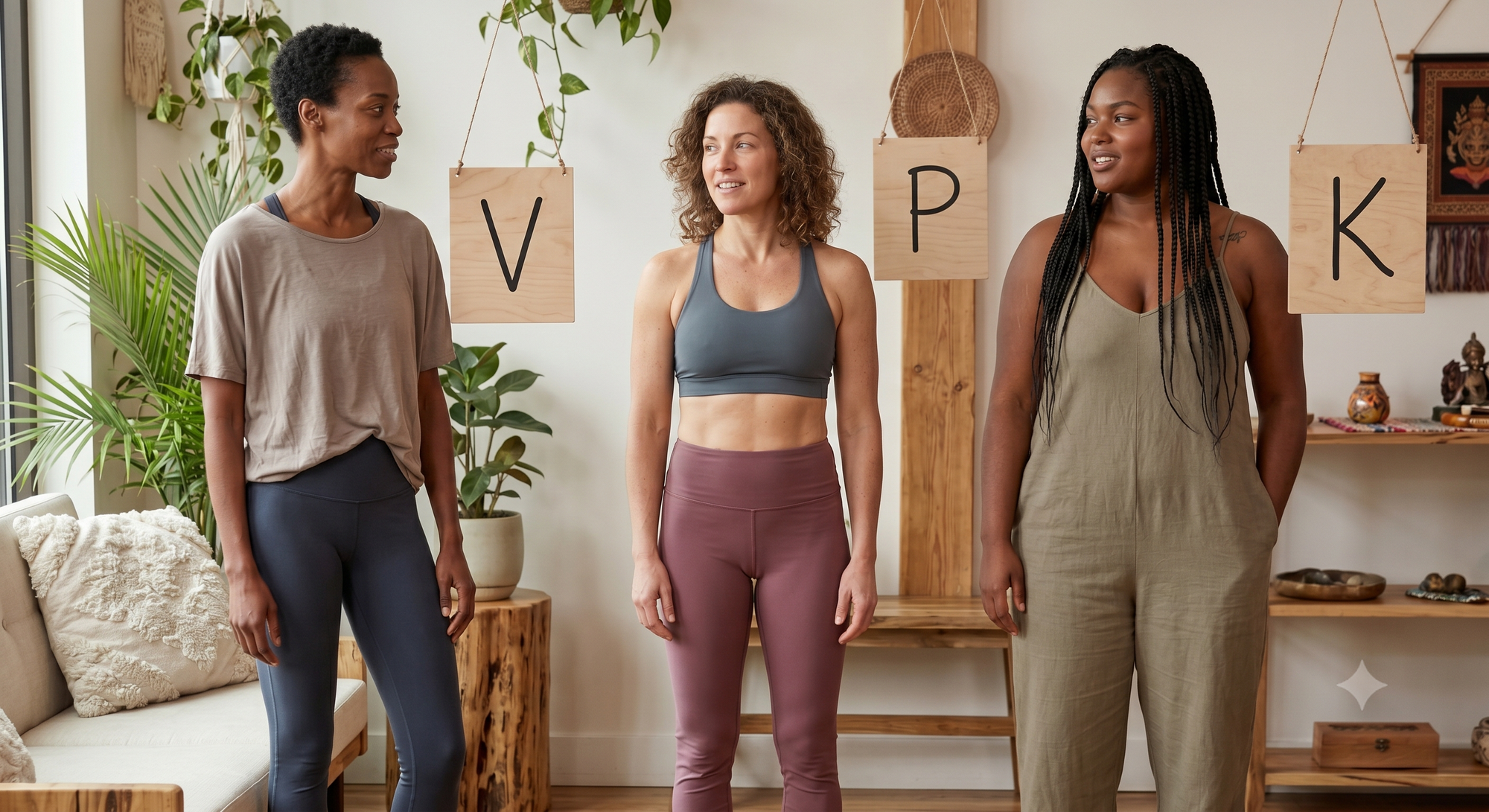
Now let me put on my Eastern medicine hat for a second, because Ayurveda saw this whole mess coming five thousand years ago. In that system, your body is governed by three doshas — Vata (air and movement), Pitta (fire and transformation), and Kapha (earth and water, the dosha of structure). Kapha is the one everybody loves to demonize, because in excess it shows up as weight, heaviness, and sluggishness. So the modern read is simple: too much Kapha, kill the Kapha, get skinny. But that's a child's understanding of it.
Here's what they don't tell you: Kapha is supposed to be there, and you need it. Kapha is your substance — your muscle, your tissue, your lubrication, your immunity, your fertility, your reserves. It's the steadiness in your mind, the moisture in your joints, the calm, loving, grounded quality in your heart. Kapha is literally the dosha of love and devotion and stamina. A person with no Kapha isn't healthy — they're frail, anxious, dried-out, depleted, and cold. The goal was never to eliminate Kapha. It's to keep it in balance. Strip too much of it away and you don't get health, you get a brittle, depleted body running on fumes.
And this is exactly where the shot goes wrong by Ayurvedic logic. In this system, hunger is sacred — it's the voice of agni, your digestive fire. A healthy appetite means your agni is burning clean, and Ayurveda is explicit that hunger is one of the natural urges you are not supposed to forcibly suppress. Choke off a genuine natural urge, day after day, and you don't create balance — you create disease, weakness, and depletion. Ozempic doesn't tune your fire. It pours water on it and calls the silence "health." That's not balance, that's suppression, and in Ayurveda suppression always has a bill.
So why are fasting and cleansing the opposite — actually good — when they also involve not eating? Because they work with the body's intelligence instead of overriding it. Therapeutic fasting (what Ayurveda calls langhana, lightening) is done to kindle agni and burn off ama — the sludge of undigested, half-lived life that clogs the system. You fast when the body is asking for a rest, in rhythm with the seasons and your own signals, consciously and temporarily, and you come out the other side with your fire stronger. It's a reset that respects the system. The drug is the reverse: it deadens the signal permanently and from the outside, so you never learn, your fire never strengthens, and your reserves — your Kapha, your ojas, the very essence of your vitality and fertility — just quietly drain away. One partners with your body's wisdom. The other amputates it. That, in a sentence, is the whole difference.
Health and wellness is real and valuable
Don't get me wrong — I'm not anti-health, I'm the opposite. I'm telling you real health is one of the most valuable things you will ever build, and the only thing that actually delivers it is real, systemic change to how you live. Not a hack. Not a patch. The whole system: how you eat, how you move, how you sleep, how you carry stress, who you spend your time with, how you talk to yourself in the mirror. Change those, and you don't get a temporary number on a scale — you get results that hold, because you finally changed the thing that produces the results.
That's the law nobody gets to cheat: real change makes real results. Shortcuts make fake ones with a bill attached. When you actually shift the inputs of your life, your body reorganizes around the new normal and stays there — steady energy, real strength, clear skin, even mood, deep sleep, a libido that works, a body that feels like home instead of a battleground. That's not vanity, that's vitality, and it's worth more than any dress size will ever be. Build the life, and the body is just what happens next.

Here is the secret
So here's the secret, and it's not what they're selling you. Being beautiful and attractive is about genetics and the things you can't fake — smell, touch, energy, the whole animal signal of a person. You can't just drop ten pounds and suddenly become someone's ideal mate; that's not how attraction works. If all you want is a better photo, then photoshop the photo — don't take a shot that tricks your brain into being satisfied with a life that's honestly just... not that good.
Because that's the real tell: anyone actually living a full, well-lived life doesn't obsess over this stuff. They're too busy doing what they love, with the people they love, having a blast doing it. A chess player can burn more calories than someone grinding away on a treadmill, because every ounce of their attention is locked onto something that matters to them — that's how much the mind runs the show. We keep forgetting that the brain is the whole game. This obsession with biohacking ourselves skinny could be aimed at something so much better: biohack yourself happy, biohack yourself healthy, biohack yourself alive. That's worth doing. But a life built on looks alone? Empty and vapid, in my book.
Love, acceptance, and the end of it all
In the end, this was never really about Ozempic. It's about whether we can love ourselves enough to stop running from who we are. Take care of your body because you love it, not because you hate it. Be yourself, fully, in whatever shape that comes — that's the most magnetic, most healthy, most human thing there is. The drugs will come and go, the fads will keep coming like waves. But you, at home in yourself, fed well and moving and at peace — that one never goes out of style.
Love yourself. The rest sorts itself out.
—Jonathan Pinkston L.Ac.
(This is my own take and experience, not medical advice. Talk to a doctor before starting or stopping any medication, beginning a fast, or adding supplements — especially if you're pregnant, on medication, or have any history of disordered eating.)